 SewMendStitch
Hand Sewing Basics
A needle, thread and a handful of stitches will handle most everyday sewing jobs. This course starts with threading the needle.
Where to begin
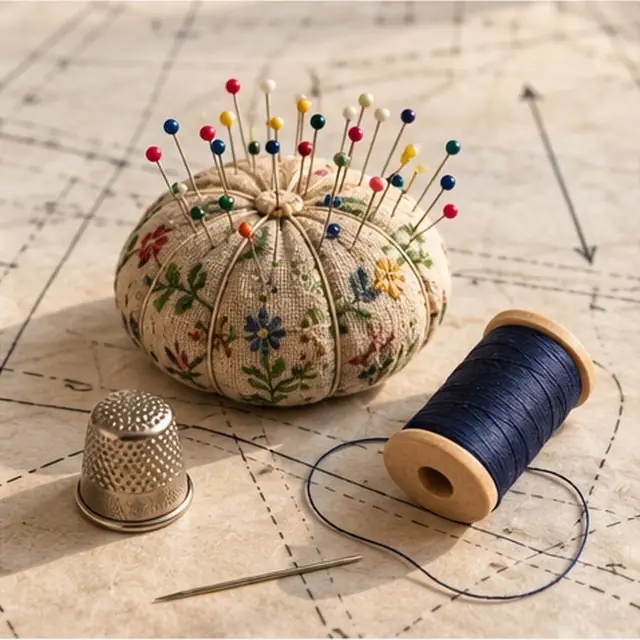
Hand sewing needs almost nothing: a needle, a reel of all-purpose polyester thread, small scissors and some scrap cotton. With those you can sew on a button, close a split seam, take up a hem and patch a hole. A sewing machine is faster on long straight seams. Most everyday repairs, though, are short, awkward to reach, or on a finished garment where a machine foot will not fit, and those go quicker by hand.
Start with threading a needle and tying a knot, then learn the two stitches that cover more repairs than any others: running stitch, which is fast and loose, and backstitch, which locks each stitch to the one before and is strong enough for a seam that takes strain.
How the course is arranged
The first group, Start here, is about handling the tools: choosing a needle, cutting thread to a manageable length (about 18 in or 45 cm, roughly forearm to fingertip), matching thread colour and keeping the fabric flat. The middle group is the stitch set. Each stitch lesson says what the stitch is for, shows the needle path in a diagram, and gives a practice exercise on scrap fabric. The last group is real jobs on real clothes, each one using stitches from the group above.
If you came here with a specific problem, such as a dropped hem or a missing button, go straight to the project and follow the links back to any stitch you have not tried. The stitch chooser matches common jobs to the right stitch.
Start here
Essential stitches
Everyday projects
Guides for this course
 Machine sewing
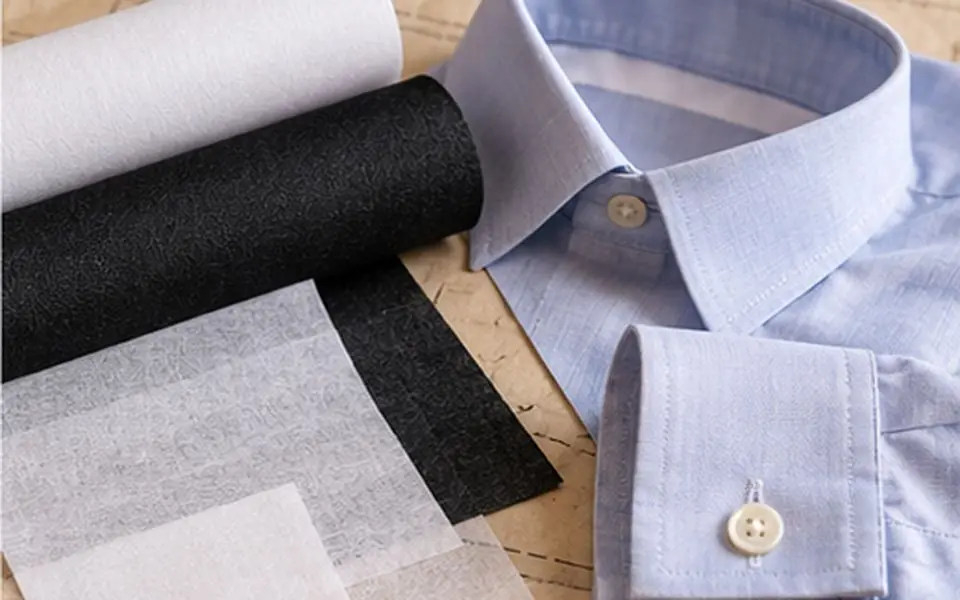
Interfacing Explained: Types, Weights and Fusing
What interfacing does, how to choose between fusible and sew-in, woven, non-woven and knit types, and how to fuse it so it never bubbles.
 Fabric and care
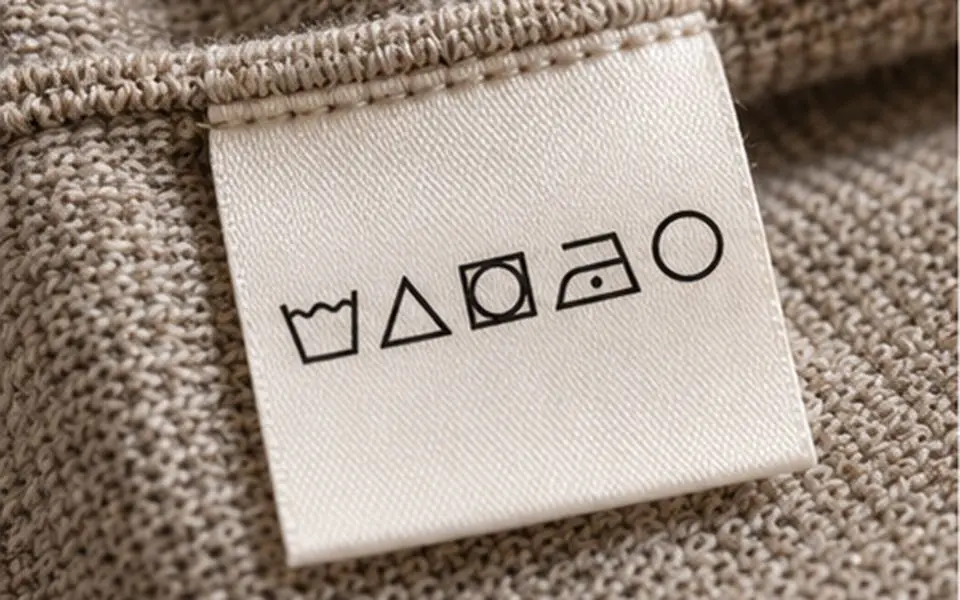
Clothing Care Label Symbols Decoded
What the tub, triangle, square, iron and circle on a care label mean, with real temperatures, plus how to use the label before you hem or patch.
 Fabric and care
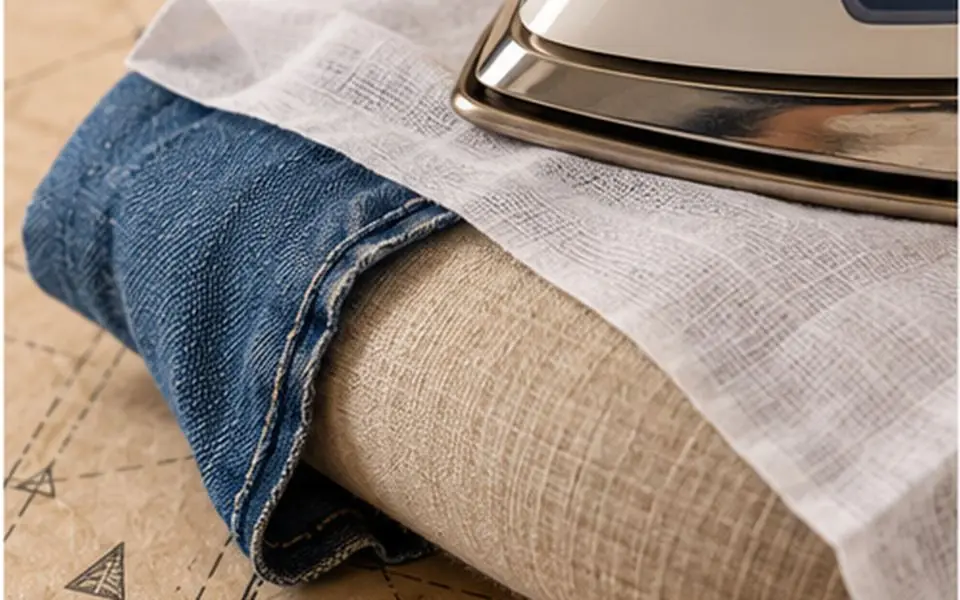
Pressing for Sewing: Iron Temperatures by Fiber
How pressing differs from ironing, the right iron heat for each fiber in F and C, when to use steam and a press cloth, and how to avoid shine and scorch.
 Fabric and care
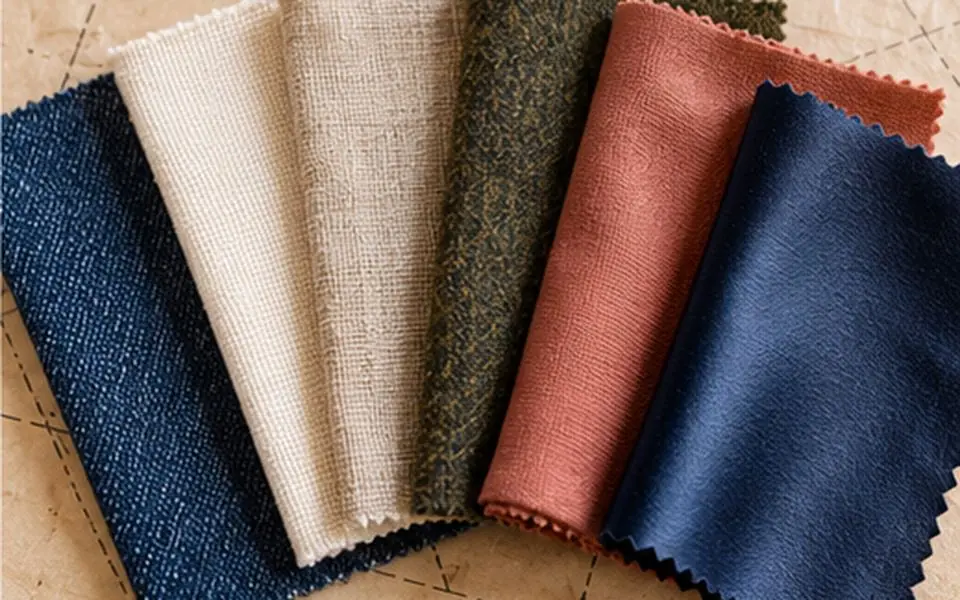
Fabric Fibers and How Each Behaves When You Sew
Cotton, linen, wool, silk, polyester, nylon, acrylic, rayon and spandex compared for shrinkage, fraying, heat, needles and thread, plus how to read labels.